


+
tolak

Simple Limbal Epithelial Transplantation (SLET)

What Is SLET?

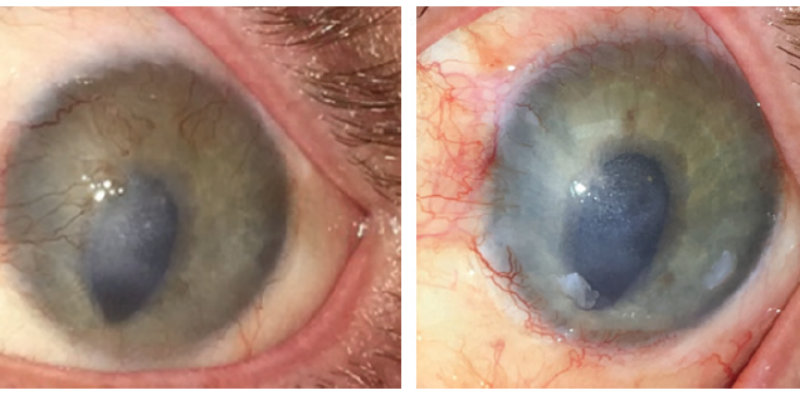
Simple Limbal Epithelial Transplantation (SLET) is an advanced surgical technique used to restore the corneal surface in patients with limbal stem cell deficiency (LSCD). The limbus, located at the border of the cornea and sclera, contains stem cells responsible for maintaining a healthy corneal epithelium. Damage to these cells can cause persistent corneal ulcers, scarring, or vision loss. SLET involves harvesting a small piece of healthy limbal tissue from the patient’s unaffected eye (or a donor eye) and transplanting it onto the damaged cornea to regenerate a healthy epithelial surface.

Indications

SLET is indicated for patients with :

  • Limbal stem cell deficiency due to chemical or thermal burns
  • Chronic ocular surface disorders (e.g., Stevens-Johnson syndrome, ocular surface burns)
  • Corneal scarring from trauma or infection with associated stem cell loss
  • Failure of conventional corneal epithelial healing
Symptoms Addressed by SLET

Patients with limbal stem cell deficiency often present with :

  • Persistent corneal epithelial defects
  • Chronic redness, pain, or irritation
  • Blurred or decreased vision
  • Corneal scarring or vascularization
  • Recurrent corneal ulcers
Surgical Procedure

Preoperative Assessment
Detailed evaluation of both eyes, including ocular surface health, corneal imaging, and tear film assessment.

Limbal Tissue Harvesting
A small segment of healthy limbal tissue is taken from the donor eye.

Preparation of the Affected Cornea
Removal of scar tissue and abnormal epithelium to prepare the corneal surface.

Transplantation
The limbal tissue is divided into tiny pieces and placed on the cornea over a biological scaffold (amniotic membrane).

Fixation
Tissue fragments are secured using fibrin glue and/or sutures to promote attachment.

Postoperative Care
Eye is protected with a bandage lens and monitored closely.

Benefits of SLET
  • Minimally invasive procedure compared to traditional limbal transplantation
  • Uses a small amount of donor tissue, reducing risk to the healthy eye
  • Promotes natural regeneration of the corneal epithelium
  • Can restore vision and improve ocular comfort
  • Shorter surgical time and faster recovery
Risks & Complications

Though generally safe, potential risks include :
  • Graft failure or delayed epithelialization
  • Infection or inflammation
  • Recurrent stem cell deficiency if the underlying cause persists
  • Need for repeat transplantation in some cases
Postoperative Care & Recovery
  • Use of prescribed antibiotic and anti-inflammatory eye drops
  • Protective eyewear and avoidance of eye rubbing
  • Regular follow-up visits to monitor graft survival and epithelial growth
  • Monitoring for signs of infection, rejection, or recurrence
  • Visual improvement typically occurs gradually as the epithelium regenerates


back top