What Is a Chemical Eye Injury?
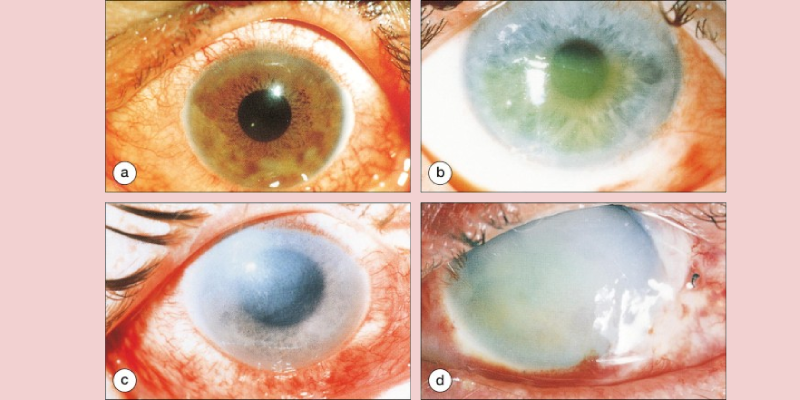
A chemical eye injury occurs when harmful substances such as acids, alkalis, or irritants come into contact with the surface of the eye. These injuries can range from mild irritation to severe burns that threaten vision if not treated promptly. Chemical injuries are considered ocular emergencies, and immediate care is crucial.
Symptoms & Signs
Common symptoms of chemical injuries to the eye include :
- Immediate burning or stinging sensation
- Intense eye pain or discomfort
- Redness and swelling of the eye and eyelids
- Excessive tearing or watering
- Blurred or decreased vision
- Sensitivity to light (photophobia)
- Foreign-body sensation in the eye
- In severe cases, whitening of the eye surface or corneal haziness
Causes & Risk Factors
Chemical injuries typically occur in :
- Workplace accidents (construction, laboratory, factory settings)
- Household accidents (cleaning products, bleach, detergents, acids, alkalis, solvents)
- Agricultural exposure (fertilizers, pesticides, lime)
- Cosmetic or personal care products (hair dye, disinfectants, sprays)
- Physical assaults or accidents involving chemical agents
Alkali burns (e.g., ammonia, lye, lime) are particularly dangerous because they penetrate tissues more deeply than acid burns.
Emergency Response
Immediate first aid can make the difference between recovery and permanent vision loss :
- Immediate irrigation — flush the eye with clean water or sterile saline for at least 15–30 minutes.
- Remove contact lenses if present, while continuing irrigation.
- Avoid rubbing the eyes as it may worsen injury.
- Seek emergency medical care right after rinsing.
- Bring the chemical container or details of the substance for accurate diagnosis and treatment.
Diagnosis & Examination
Upon arrival at the clinic or hospital, an ophthalmologist will :
- Assess the type, amount, and duration of exposure
- Measure visual acuity (clarity of vision)
- Perform slit-lamp examination to check the cornea, conjunctiva, and anterior chamber for extent of injury
Management Approaches
Immediate Medical Care
- Continued irrigation in the hospital setting until ocular surface pH is neutral
- Topical medications such as antibiotics, lubricants, cycloplegics, and corticosteroids (to reduce inflammation)
- Oral medications like pain relievers or anti-inflammatories
- Systemic vitamin C and citrate therapy in some cases to promote healing
- Close monitoring to assess healing and prevent complications
Surgical Treatment (if needed)
In moderate to severe cases, surgery may be required to restore vision and prevent long-term complications :
- Removal of chemical from deeper layers of the eye
- Amniotic membrane transplantation (AMT) — promotes healing and reduces scarring
- Limbal stem cell transplantation — restores the corneal surface in severe burns
- Corneal transplant (keratoplasty) — for vision restoration if the cornea is significantly scarred
- Glaucoma surgery — if intraocular pressure remains uncontrolled
- Eyelid surgery — for associated burns or scarring affecting eye protection
Risks & Complications
Chemical injuries can lead to serious long-term complications if not managed effectively :
- Permanent corneal scarring and opacity
- Chronic dry eye due to damaged tear glands
- Secondary glaucoma (high eye pressure damaging the optic nerve)
- Symblepharon (adhesion between eyelid and eyeball)
- Persistent inflammation and infection
- Partial or total vision loss
Post-Injury Care & Recovery
Recovery from chemical eye injuries requires strict follow-up and ongoing management :
- Regular check-ups with the ophthalmologist
- Use of prescribed eye drops and medications
- Protective eyewear to prevent further injury
- Avoidance of dust, smoke, or irritants during healing
- Gradual visual rehabilitation, which may include corrective lenses or surgery later.



 Book An Appointment