What Is Dry Eye?
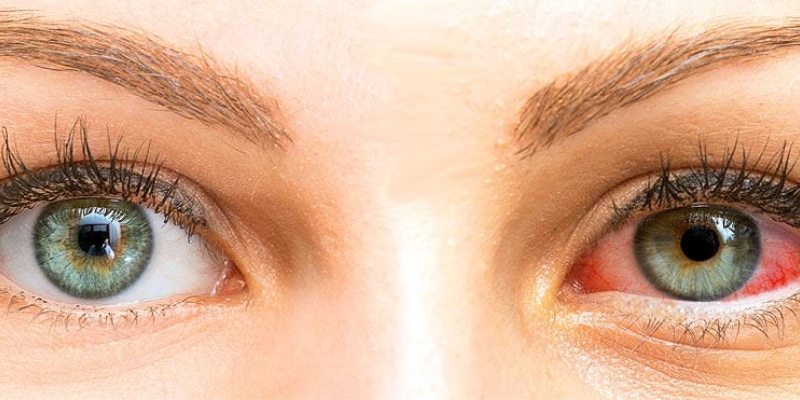
Dry eye is a chronic condition where the eyes do not produce enough tears, or the tears evaporate too quickly, leading to discomfort, irritation, and sometimes vision disturbances. It is one of the most common ocular surface disorders and can significantly affect quality of life if left untreated.
Causes & Risk Factors
Dry eye can occur due to :
- Age-related changes in tear production
- Environmental factors - wind, smoke, pollution, air conditioning, prolonged screen use
- Medical conditions - autoimmune disorders (e.g., Sjögren’s syndrome, rheumatoid arthritis)
- Medications - antihistamines, antidepressants, blood pressure drugs
- Contact lens wear
- Hormonal changes - especially in women during menopause
- Post-surgical causes - such as LASIK or cataract surgery
Symptoms & Signs
Patients with dry eye may experience :
- Persistent dryness, burning, or gritty sensation
- Redness and irritation
- Watery eyes (paradoxical reflex tearing)
- Blurred or fluctuating vision
- Eye fatigue, especially after reading or screen use
- Sensitivity to light (photophobia)
- Difficulty wearing contact lenses comfortably
Diagnosis & Examination
At our Dry Eye Clinic, diagnosis is carried out using :
- Detailed patient history and symptom questionnaires
- Slit-lamp examination of the ocular surface
- Tear breakup time (TBUT) test to assess tear stability
- Schirmer’s test to measure tear production
- Ocular surface staining with special dyes to detect damage
- Meibomian gland evaluation for oil gland dysfunction
Management Approaches
Non-Medical / Lifestyle Measures
- Limiting screen time and taking regular breaks
- Using humidifiers in dry environments
- Wearing protective eyewear in windy or outdoor settings
- Staying hydrated and following a balanced diet (Omega-3 fatty acids)
Medical Management
- Artificial tears and lubricating eye drops
- Anti-inflammatory eye drops (cyclosporine, lifitegrast) in moderate to severe cases
- Punctal plugs to conserve natural tears
- Warm compresses and lid hygiene for meibomian gland dysfunction
- Oral medications in autoimmune or severe cases
Advanced / Specialized Therapies
- Autologous serum eye drops in refractory cases
- Thermal pulsation therapy for meibomian gland disease
- Intense Pulsed Light (IPL) therapy for ocular surface inflammation
- Amniotic membrane treatment in severe ocular surface disease
Risks & Complications
If untreated, dry eye can lead to :
- Chronic discomfort and reduced quality of life
- Recurrent eye infections
- Corneal damage, ulceration, or scarring
- Difficulty with contact lenses or refractive surgery outcomes
Post-Treatment Care & Recovery
- Regular use of prescribed drops and adherence to lifestyle measures
- Ongoing follow-up to monitor ocular surface health
- Adjustments in treatment based on seasonal or environmental changes
- Most patients achieve long-term relief with customized therapy



 Book An Appointment