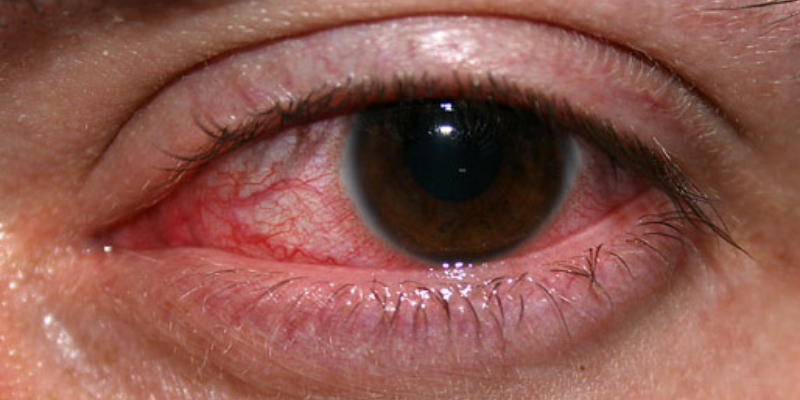
What Is Keratitis?
Keratitis is inflammation of the cornea, the clear front surface of the eye, which can be caused by infections, injury, or underlying ocular conditions. If left untreated, keratitis can lead to corneal scarring, vision impairment, or blindness, making prompt diagnosis and management essential.
Causes & Risk Factors
Keratitis can result from several causes :
Infectious causes :
- Bacterial (commonly from contact lens wear or injury)
- Viral (herpes simplex virus or herpes zoster)
- Fungal (trauma with vegetative matter or agricultural work)
- Parasitic (Acanthamoeba, often in contact lens users)
Non-infectious causes :
- Trauma or foreign bodies
- Dry eye or autoimmune disorders
- Chemical exposure
- Contact lens overwear
Risk factors include poor contact lens hygiene, eye injuries, immunocompromised states, and exposure to contaminated water or soil.
Symptoms & Signs
Patients with keratitis may present with :
- Eye redness and irritation
- Pain, burning, or stinging sensation
- Excessive tearing or discharge
- Blurred or decreased vision
- Sensitivity to light (photophobia)
- Foreign body sensation
- Corneal ulceration in severe cases
Diagnosis & Examination
Diagnosis is made by an ophthalmologist using :
- Visual acuity assessment
- Slit-lamp examination to examine the corneal surface, epithelium, and anterior chamber
- Fluorescein staining to detect corneal defects or ulcers
- Microbiological tests including cultures and smears for bacteria, fungi, or viruses
- Corneal imaging in severe or atypical cases
Management Approaches
Medical Management
- Topical antibiotics, antivirals, or antifungals depending on the cause
- Cycloplegic drops to relieve pain from ciliary spasm
- Lubricating eye drops to reduce irritation
- Anti-inflammatory agents in selected non-infectious cases
- Oral medications if infection is severe or systemic involvement exists
Advanced / Surgical Management
- Debridement of infected corneal tissue to promote healing and improve drug penetration
- Amniotic membrane transplantation in cases with persistent epithelial defects or severe ulceration
- Corneal transplantation (keratoplasty) for vision restoration in cases of severe scarring or non-healing ulcers
Risks & Complications :
If not managed promptly, keratitis can lead to :
- Corneal scarring and opacification
- Vision loss or blindness
- Secondary glaucoma
- Corneal perforation
- Recurrent infections
- Chronic dry eye or ocular surface disease
Post-Treatment Care & Recovery :
- Adherence to prescribed medications and follow-up schedules
- Protective eyewear to prevent injury or contamination
- Avoid rubbing the eyes during healing
- Monitoring for signs of recurrence or complications
- Gradual visual rehabilitation, including corrective lenses or surgery if needed




 Book An Appointment