What Are Eye Allergies?
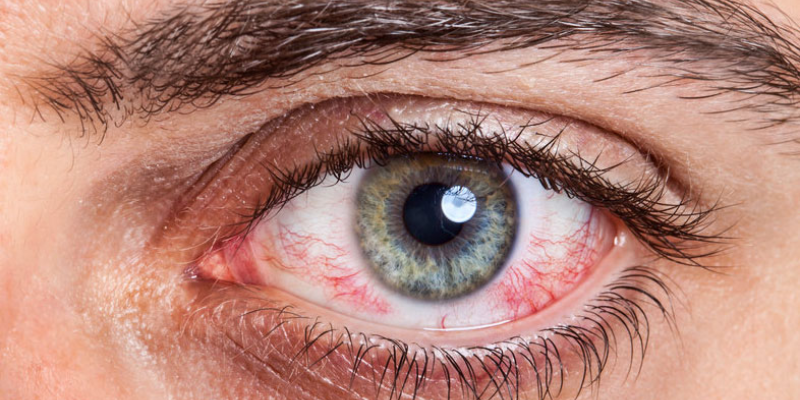
Eye allergies, also called allergic conjunctivitis, occur when the eyes react to allergens such as pollen, dust, or pet dander. The immune system overreacts to these triggers, releasing histamines that cause redness, itching, tearing, and swelling. While not usually dangerous, eye allergies can significantly affect comfort and daily activities.
Causes & Triggers
Common allergens that cause eye allergies include :
- Seasonal allergens : Pollen from trees, grass, and weeds (hay fever)
- Indoor allergens : Dust mites, mold, pet dander
- Environmental irritants : Smoke, perfumes, air pollution
- Contact lens use : Protein deposits or lens cleaning solutions
- Eye drops / medications : Preservatives may trigger allergic reactions
Symptoms & Signs
Patients with eye allergies may experience:
- Itchy, watery eyes
- Redness of the conjunctiva
- Burning or stinging sensation
- Swollen eyelids
- Stringy or watery discharge
- Sensitivity to light (photophobia)
- Associated sneezing, nasal congestion, or runny nose (in allergic rhinitis)
Diagnosis & Examination
- Detailed history of exposure to allergens and symptom patterns
- Slit-lamp examination to check conjunctival swelling and redness
- Allergy testing (skin or blood tests) in chronic or severe cases
- Differentiation from infections such as viral or bacterial conjunctivitis
Management Approaches
Non-Medical / Lifestyle Measures
- Avoid or minimize exposure to allergens (stay indoors during high pollen days)
- Use protective eyewear when outdoors
- Apply cold compresses to reduce swelling and irritation
- Keep indoor air clean with filters and frequent cleaning
- Maintain proper contact lens hygiene or reduce usage during allergy season
Medical Management
- Lubricating eye drops (artificial tears) to flush out allergens and soothe the eyes
- Antihistamine eye drops to relieve itching and redness
- Mast cell stabilizers for long-term prevention in recurrent cases
- Combination drops with antihistamine and mast cell stabilizer for better control
- Oral antihistamines if systemic allergies are present
- Steroid eye drops (short-term, under specialist supervision) for severe cases
Risks & Complications
While eye allergies are not sight-threatening, untreated or severe cases may cause :
- Chronic discomfort and irritation
- Increased risk of corneal involvement in conditions like vernal keratoconjunctivitis
- Secondary infections from frequent eye rubbing
- Reduced quality of life due to persistent symptoms
Post-Treatment Care & Recovery
- Adherence to prescribed eye drops and allergy medications
- Regular follow-up in chronic cases to monitor eye health
- Avoidance of eye rubbing to prevent complications
- Seasonal adjustments to reduce allergen exposure
- Most cases improve within a few days to weeks with proper care



 Book An Appointment