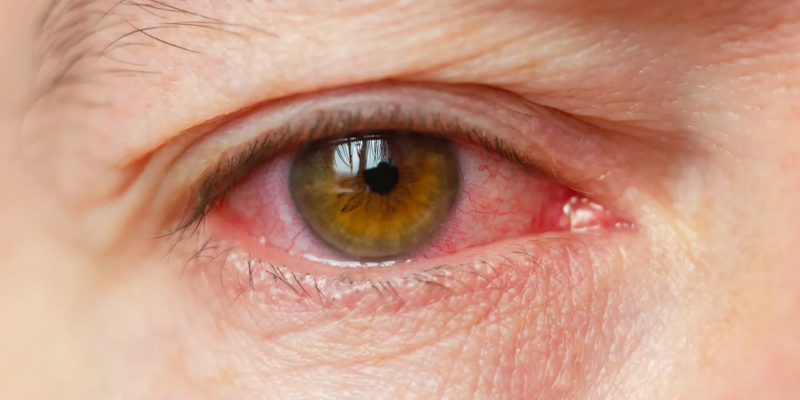
What Is Conjunctivitis?
Conjunctivitis, commonly known as “pink eye,” is the inflammation of the conjunctiva – the thin, transparent layer covering the white part of the eye and the inside of the eyelids. It can be caused by infections, allergies, irritants, or systemic conditions. Conjunctivitis is highly common and may affect one or both eyes.
Causes & Types
- Infectious Conjunctivitis :
- Viral – usually caused by adenoviruses, highly contagious
- Bacterial – caused by staphylococci, streptococci, or other bacteria
- Allergic Conjunctivitis : Triggered by allergens such as pollen, dust, animal dander
- Irritant Conjunctivitis : Caused by smoke, chemicals, chlorine, or foreign bodies
- Other Causes : Contact lens overuse, dry eye, systemic infections
Symptoms & Signs
- Redness in one or both eyes
- Watery or mucous discharge
- Itching, burning, or irritation
- Swollen eyelids
- Sensitivity to light (photophobia)
- Crusting of eyelids, especially in the morning
- Foreign body sensation
Diagnosis & Examination
Diagnosis is made through :
- Clinical examination with a slit lamp
- Patient history to identify potential infection or allergen exposure
- Discharge analysis / swabs in severe or recurrent cases
- Assessment of associated conditions such as respiratory infection or allergies
Management Approaches
Medical Management
- Viral Conjunctivitis: Supportive care with lubricating drops, cold compresses, and hygiene; usually self-limiting
- Bacterial Conjunctivitis : Topical antibiotic eye drops or ointments to clear infection
- Allergic Conjunctivitis : Antihistamine or mast cell stabilizer eye drops, avoidance of allergens
- Irritant Conjunctivitis : Eye irrigation and removal of the irritant; lubricants for comfort
Preventive Measures
- Frequent handwashing and hygiene practices
- Avoiding touching or rubbing the eyes
- Not sharing towels, cosmetics, or eye drops
- Discontinuing contact lenses until the condition resolves
- Protective eyewear in dusty or chemical-prone environments
Risks & Complications
If untreated, conjunctivitis may lead to :
- Spread of infection (especially viral and bacterial forms)
- Corneal involvement in severe cases
- Recurrent or chronic conjunctivitis
- Temporary vision disturbances due to excessive tearing or discharge
Post-Treatment Care & Recovery
- Use of prescribed eye drops as directed
- Maintaining strict eye hygiene
- Applying cold or warm compresses for comfort
- Avoiding exposure to irritants and allergens
- Most cases resolve within 1–2 weeks with proper care




 Book An Appointment