What Is a Cataract?
A cataract is a clouding of the eye’s natural lens, which lies behind the iris and pupil. As proteins in the lens break down over time, they can clump together and cause opacity, reducing the amount of light reaching the retina and degrading vision.
Symptoms & Signs
Common signs that you may be developing cataract include :
- Blurry, cloudy or foggy vision
- Glare, halos, or streaks from lights (especially at night)
- Colors appearing faded or less vivid
- Difficulty reading or performing close work
- Frequent changes in glass prescription
- Difficulty with bright sunlight or strong lighting
- Double vision in one eye
- Trouble driving at night
If you experience any of these symptoms, it’s best to consult an eye-care specialist.
Risk Factors & Causes
Factors that increase the likelihood of developing cataract include :
- Age — cataract is more common in older adults
- Ultraviolet (UV) light exposure (sunlight without proper eye protection)
- Diabetes or high blood sugar
- Smoking and alcohol use
- Long-term use of corticosteroids or certain medications
- Eye injury, inflammation, or previous surgeries
- Genetic factors / family history
- Radiation exposure
While cataract can’t always be prevented, understanding and reducing risk factors can slow progression.
Diagnosis & Examination
A thorough eye exam is essential for diagnosing cataract and ruling out other eye conditions. The evaluation may include :
- Visual acuity test (reading letters on a chart)
- Slit-lamp examination to view the eye’s structures
- Dilated eye exam to inspect the retina and lens
- Measurement of intraocular pressure
- Tests to assess how cataract impact visual function
- Pre-operative measurements and imaging, if surgery is considered
Management Approaches
Non-Surgical / Early Management
In early or mild cases, when vision is still functional, non-surgical strategies may help optimize visual comfort :
- Getting a new glass prescription
- Improving lighting in your living or working spaces
- Using magnifiers for reading
- Avoiding night driving if glare is problematic
- Regular monitoring of cataract progression
These measures may delay the need for surgery, but they do not reverse or remove the cataract.
Surgical Treatment (Cataract Extraction + Lens Implantation)
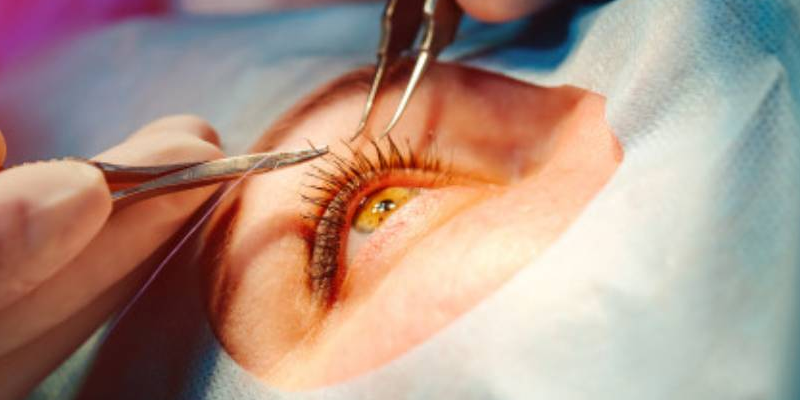
Cataract surgery is the only way to remove the cloudy lens and restore clear vision. Modern surgery is safe, efficient, and typically outpatient or daycare procedure.
Procedure steps include :
- Preoperative workup & measurements — to determine appropriate intraocular lens (IOL) power
- Anesthesia / sedation — often topical drops or local anesthesia
- Lens removal — often via small-incision phacoemulsification, where an ultrasonic probe breaks up the lens and removes it
- IOL implantation — a clear artificial lens is placed inside the eye
- Self-sealing incisions — often no sutures needed
- Recovery & follow-up
In some settings, manual small-incision cataract surgery (MSICS) is used, which is cost-effective and suitable in patients with dense cataract.
Notable considerations & innovations :
- Premium IOLs (multifocal, toric, extended depth-of-focus) can help correct astigmatism or reduce dependence on glasses
- Laser-assisted cataract surgery offers greater precision in certain steps
- Posterior capsular opacification (clouding of the lens capsule after surgery) can occur later; it may be treated with a YAG laser capsulotomy to restore clarity
Risks & Complications
Though cataract surgery is one of the most successful surgeries, potential risks include :
- Posterior capsule opacification
- Residual refractive error
- Glare, halos, or visual distortions (More in multifocal)
- Pseudophakic bullous keratopathy
- Infection (endophthalmitis)
- Bleeding
- Swelling of the cornea or retina
- Retinal detachment
- Dislocation or misalignment of the IOL
Your surgeon will weigh these risks against the benefits and discuss them during planning.
Postoperative Care & Recovery
Recovery generally proceeds as follows :
- Use prescribed antibiotic / anti-inflammatory eye drops
- Avoid rubbing or pressing the eye
- Wear a protective shield or glasses as instructed
- Avoid heavy lifting, bending, or strenuous activities for a short period
- Attend follow-up visits for monitoring
- Vision improvements are often noted within days; full stabilization may take several weeks
When Should You Consider Surgery?
You should consider cataract surgery when the cataract begins to interfere significantly with your daily life — e.g., impacting reading, driving, work, or safety. The decision is personalized based on vision, lifestyle, and overall eye health.




 Book An Appointment